
California Community Paramedicine and Telehealth: October 2020 Report
Historical policy archive (October 2020; reviewed November 2026): This is Eric Wicklund’s October 12, 2020 reporting for TechTarget, not a current description of California EMS authorization. The 2020 community paramedicine framework was later extended by AB 767 (2023), which extended its sunset to 2031. Current program requirements should be checked with the applicable local EMS authority.
In 2020 Governor Gavin Newsom signed legislation allowing local EMS providers to develop community paramedicine programs, potentially using telehealth to support screening and care coordination.
By Eric Wicklund, TechTarget (October 12, 2020)
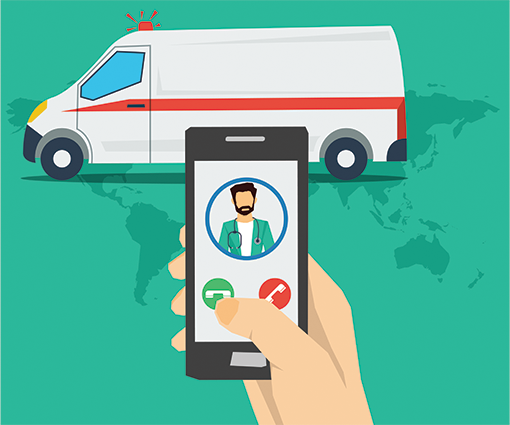
October 12, 2020 – California was allowing local EMS providers to develop community paramedicine programs, which could use telehealth or mHealth tools to triage 911 calls at home and divert patients from hospital ERs to more appropriate care providers.
Governor Gavin Newsom last month signed AB 1544, the Community Paramedicine or Triage to Alternate Destination Act of 2020, which enables local governments to create such programs and establish an emergency medical care committee to oversee the new program.
Community paramedicine is part of a wider category of mobile integrated health programs that seek to improve community care and population health by improving care coordination and management in the home, often through local EMS providers or ambulance services. Some programs coordinate with local fire and ambulance services to screen 911 calls, while others partner with health systems to send care teams to the homes of people with multiple chronic conditions, those who often call 911 and those who’ve recently been discharged from the hospital.
AB 1544 was part of a handful of bills signed by Newsom to address the state’s growing mental health crisis, exacerbated by the coronavirus pandemic. Newsom said the new law would give local EMS providers the opportunity to “reduce emergency department overcrowding and improve access to critical mental health services.”
“We have a health care crisis,” State Assemblyman Michael Gipson, the bill’s sponsor, said in a press release. “Many 911 users aren’t able to receive timely care because our paramedics aren’t able to transport patients to appropriate alternate destinations such as mental health or sobering centers. This bill is right for our most vulnerable patients who need timely access to care by the hands of our trusted paramedics and healthcare professionals.”
“Community paramedicine empowers firefighter paramedics to better respond to communities in crisis and connect them to the services they need.” added Brian K. Rice, president of the California Professional Firefighters organization. “This is an important community focused extension of health care that will modernize EMS services and lead to patient success.”
The key to such programs lies in giving care providers the resources they need to triage patients in their home. With 911 calls, that might include connected health platforms that provide on-demand audio or audio-visual access to ER doctors, mental health counselors or others who can aid in diagnosing and developing a care plan.
In community health-based programs, care providers use connected health technology during home visits for primary care and other services, allowing providers to capture and transmit vital signs and collaborate with the local hospital or clinic for ongoing care.
Mobile integrated health programs had become increasingly popular due to the COVID-19 crisis, which is prompting health systems to look for opportunities to keep people away from hospitals and doctor’s offices to avoid the risk of infection.
Move from information to action
See how the N9+ can fit your organization.
Explore the remote physical exam platform or request a focused demonstration.