Dr. Miltie Solutions
Put the clinical exam where care needs to happen.
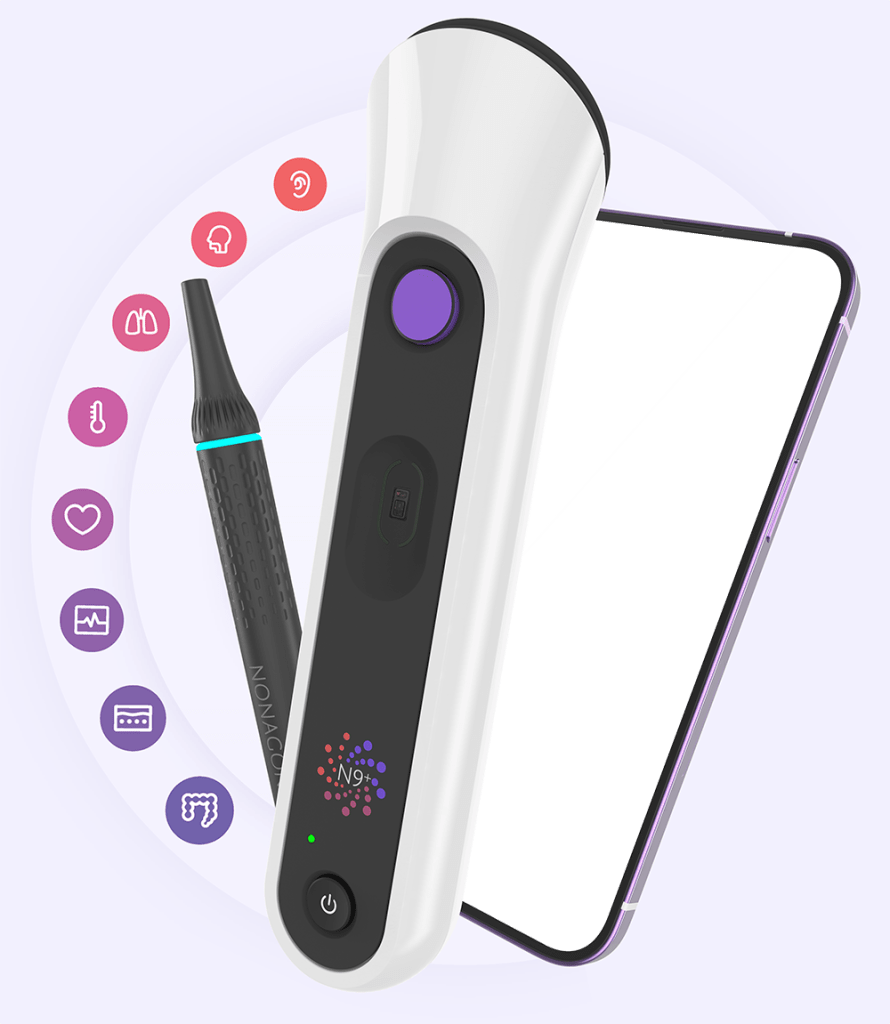
The N9+ is one technology. The value changes by care setting. Dr. Miltie helps organizations shape the device, platform, users, clinicians, and workflow around the access problem they are trying to solve.
One workflow principle
Patient here. Clinician there. Better information between them.
Across every solution, the N9+ addresses the same core challenge: the clinician cannot physically be everywhere, but meaningful parts of the exam may still need to happen.
Capture
A patient, caregiver, nurse, school staff member, or other trained user performs a guided supported exam.
Connect
Exam results are shared through the connected workflow with the clinician or care team.
Care
The clinician uses the available information, history, judgment, and care pathway to determine the appropriate next step.
Care across distance
Rural Health
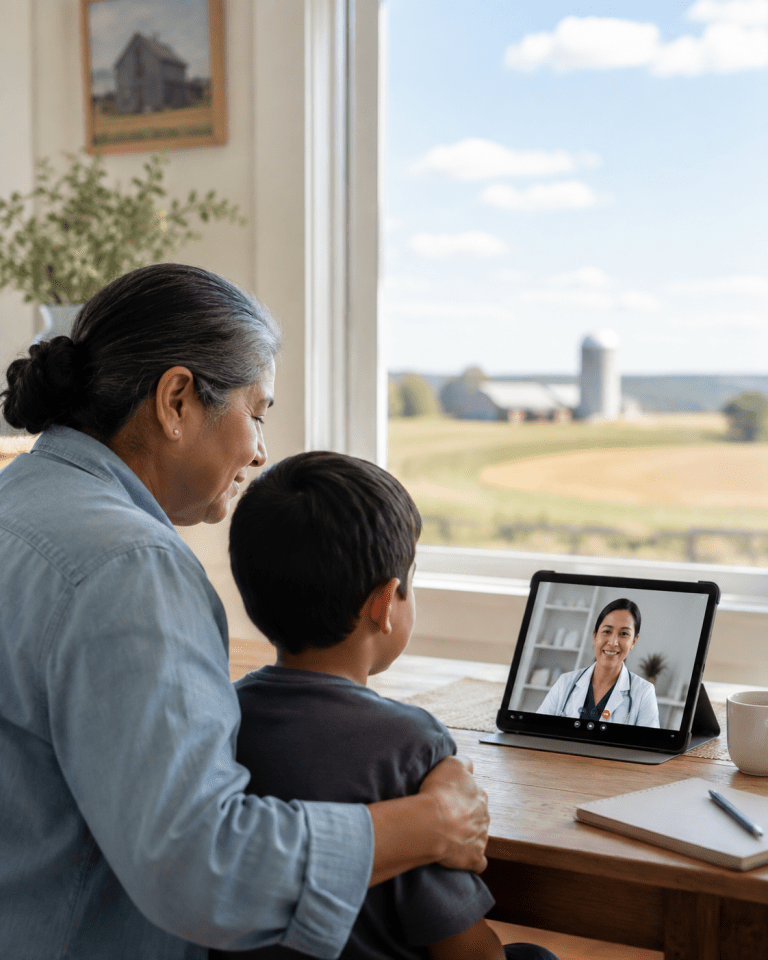
Rural organizations often need to extend limited clinical resources across large geographies. The N9+ can help local staff or caregivers capture guided physical exam information for clinicians who may be located miles away.
- Critical access hospitals and rural hospitals
- Rural health clinics and community sites
- Specialist access and distributed care teams
- Mobile and outreach programs
More capable virtual access
FQHCs & Community Health
FQHCs and community health organizations serve patients who may face transportation, workforce, specialty-access, and geographic barriers. N9+ remote exams can support a more complete connected-care model across main sites, satellites, outreach programs, and partner locations.
- FQHC and CHC satellite locations
- Community outreach and underserved populations
- Pediatric and family medicine access
- Specialty and follow-up care
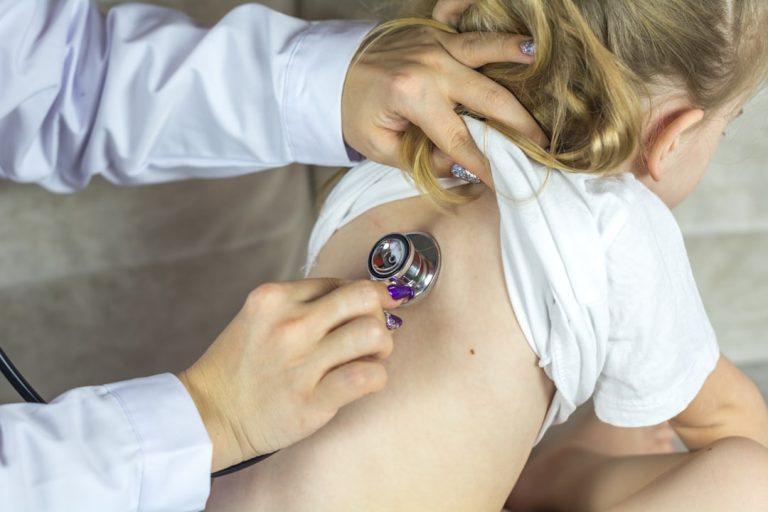
Clinical exams where students are
School Health
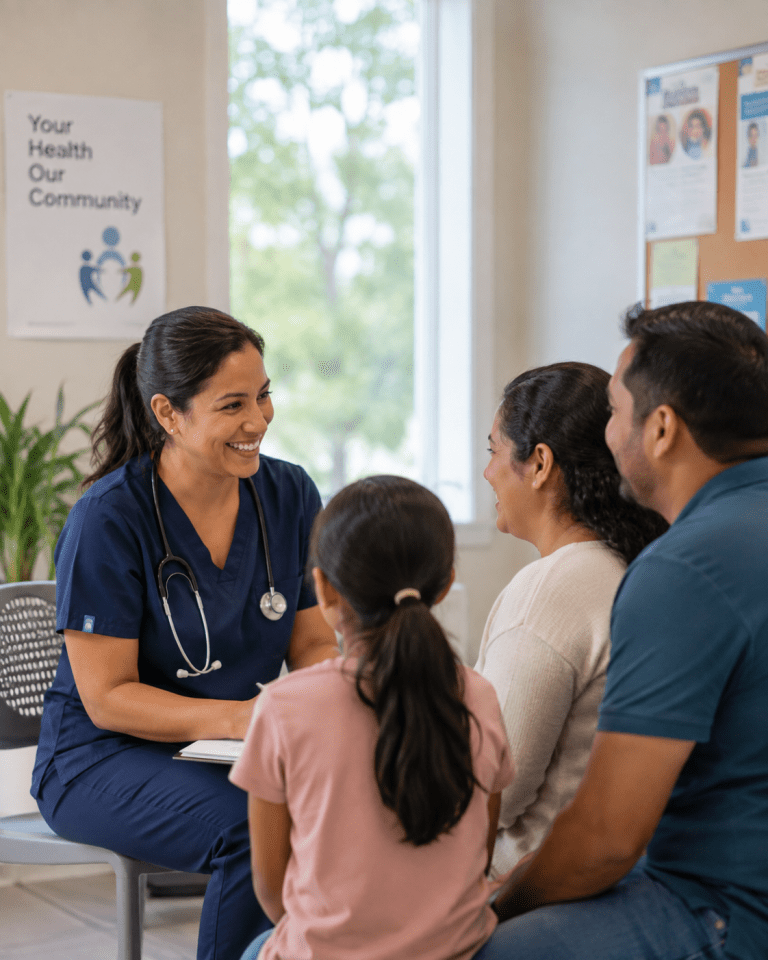
School-based care can reduce travel, missed class time, and delays in accessing clinicians. The N9+ gives trained school health staff a guided way to capture physical exam information that can be shared with a remote pediatric or primary-care clinician.
- School nurse and health-room workflows
- District and health-system partnerships
- Rural school access
- Pediatric and special-needs care support
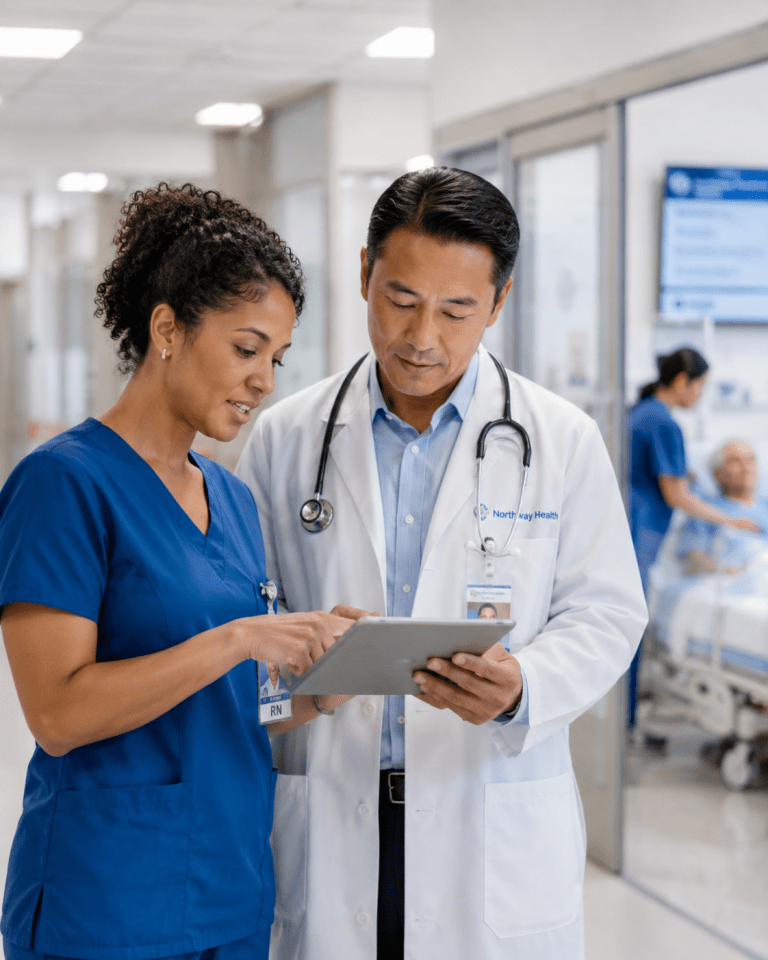
Distributed care models
Hospitals & Health Systems
Health systems can use remote physical examination capabilities to support access strategies that span the hospital, outpatient network, home, post-acute settings, and community partners.
- Hospital-at-home and care transitions
- Specialty consults and virtual access
- Post-discharge follow-up
- Network and affiliate-site support
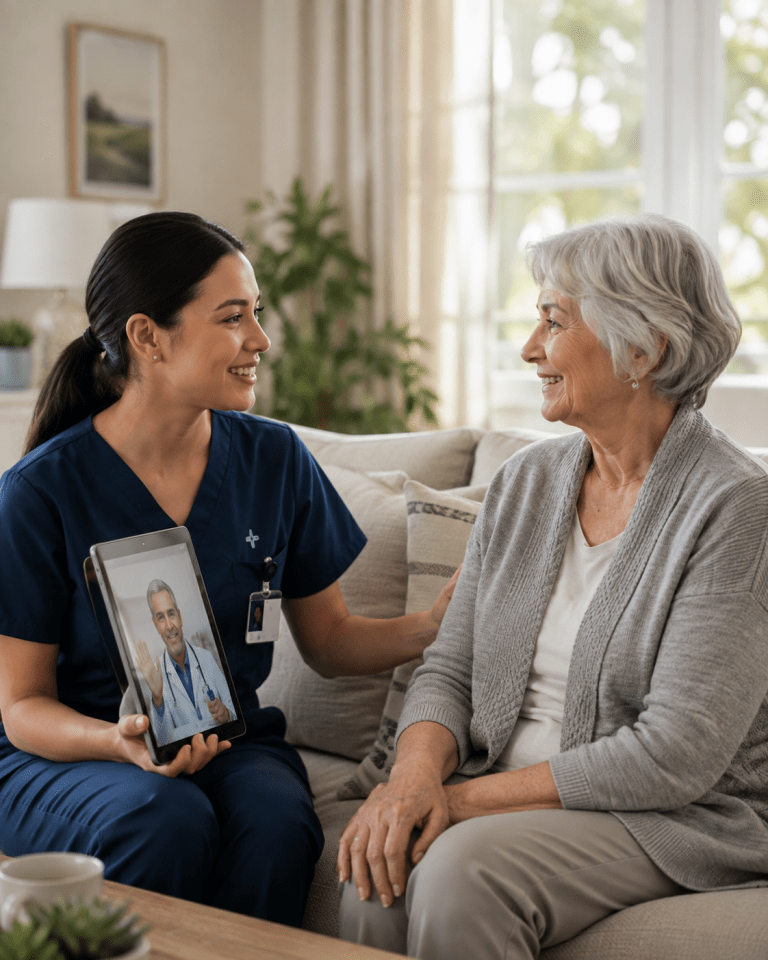
Beyond brick-and-mortar care
Home & Mobile Care
Home health clinicians, mobile teams, and community programs can bring clinical access directly to the patient while connecting with physicians or specialists located elsewhere.
- Home health and post-acute programs
- Mobile medical units
- Community paramedicine and outreach
- Care transition and follow-up workflows
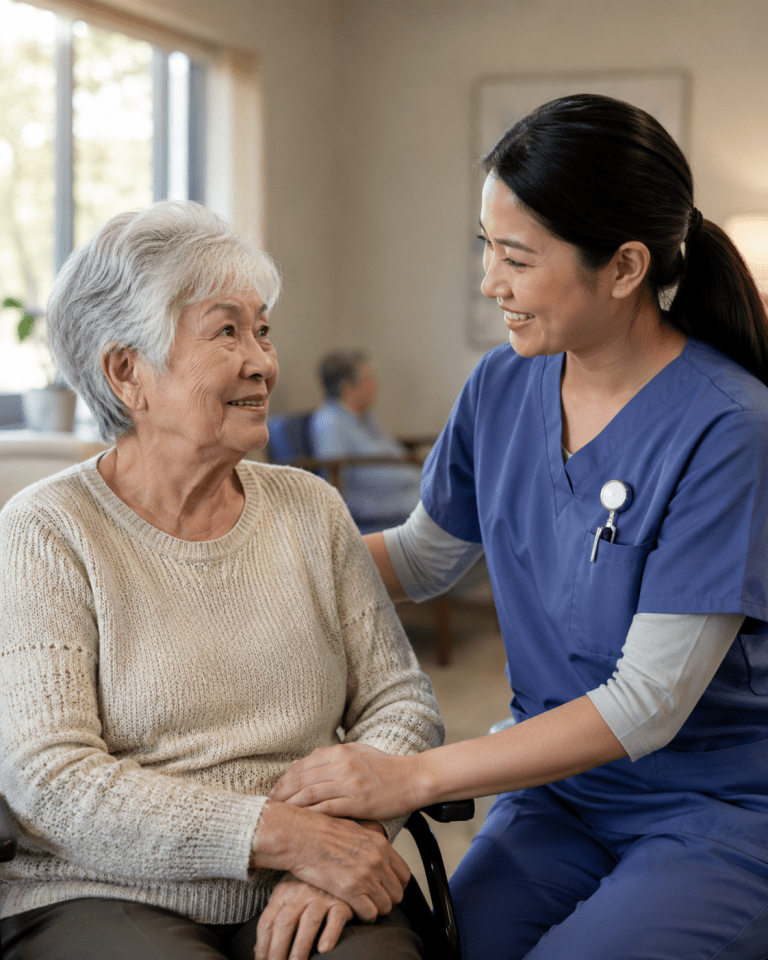
More care without unnecessary transport
Long-Term & Post-Acute Care
Residents in skilled nursing and long-term-care settings often need clinician access without the burden and risk of unnecessary transport. Connected care can support physician and specialist workflows while helping residents remain in familiar care settings when appropriate.
- Skilled nursing facilities
- Nursing and senior-care settings
- After-hours clinician access
- Post-acute and chronic-care support
Clinical access closer to work
Employer & Worksite Health
Multi-site and distributed employers can bring more complete clinical access closer to where employees work through on-site, near-site, and connected-care programs.
- Manufacturing and industrial sites
- Multi-location employers
- Occupational and workplace health
- On-site and near-site health programs

Care in a more familiar environment
Pediatric Care
Children and families can benefit when appropriate care is available closer to home, school, or a local community site. Connected-care programs can expand pediatric access while keeping parents and caregivers involved in the visit.
- Pediatric primary and urgent care
- School and home-based access
- Follow-up and sick visits
- Caregiver-supported care
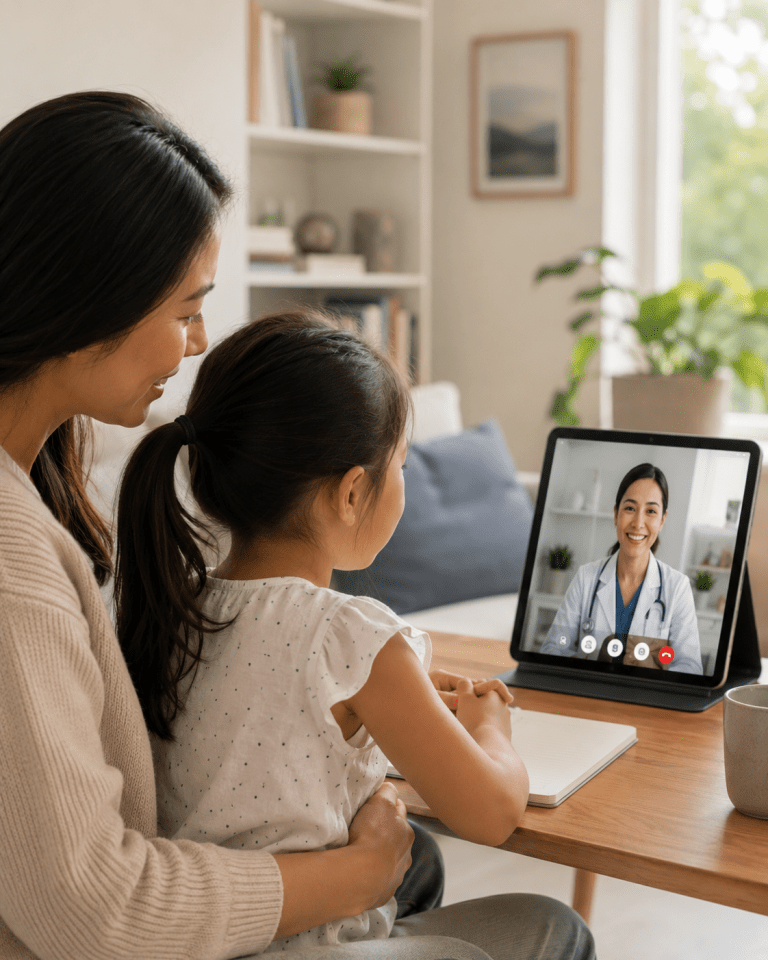
Access designed around the child
Special-Needs Care
Children with developmental, cognitive, sensory, and other special healthcare needs may benefit when care can happen in familiar, lower-stress environments. Connected care can support families, caregivers, schools, and clinicians while reducing unnecessary travel and disruption.
- Children with Down syndrome and developmental needs
- Caregiver-supported care
- School, home, and community settings
- Sensory-aware, familiar environments
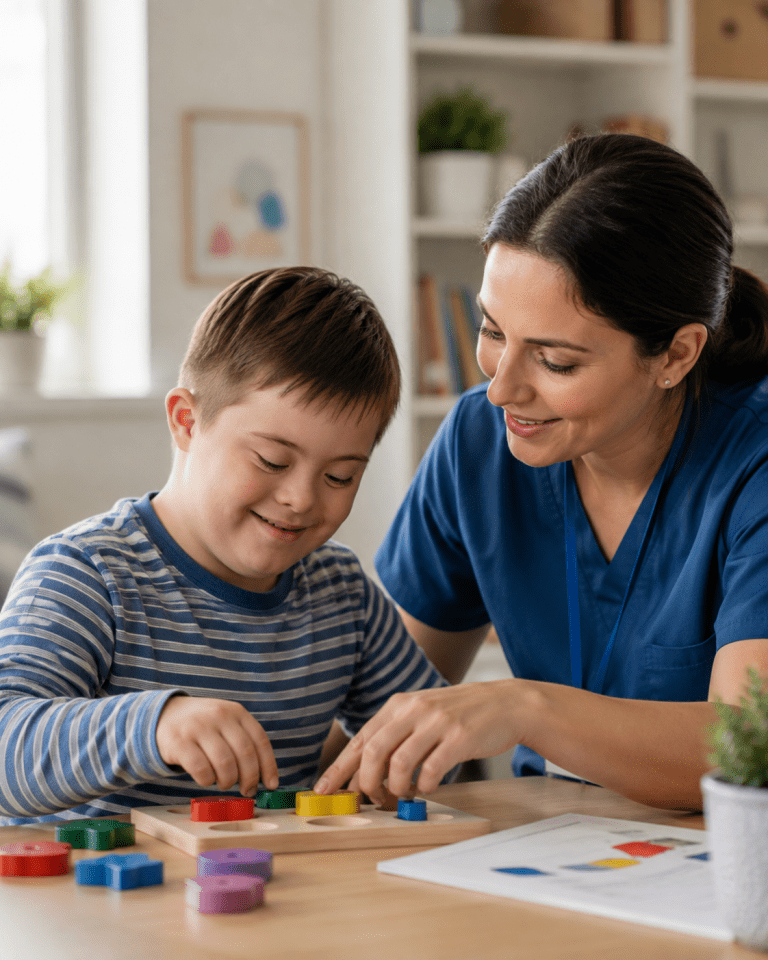
Implementation matters
A solution is more than a box with a device inside.
The N9+ deployment has to answer operational questions: who owns the device, who performs the exam, which clinician responds, how the results fit the care pathway, what training is required, and how the model scales.
Build the Workflow With UsExplore Reimbursement by StateWhen funding is the next problem
Connect to Atlas without leaving the Dr. Miltie story behind.
Atlas by Dr. Miltie remains a separate grant-discovery and grant-production experience. It connects here only when a funding pathway could help turn a healthcare solution into a funded program.
Which care setting are you trying to change?
Tell us the population, location, and clinical challenge. We’ll show you how the N9+ can fit the workflow.
Request a Demo