
March 2020 CMS Emergency Telehealth and Licensing Waivers (Archived)
Archived reporting on March 2020 CMS emergency telehealth and licensure measures, with corrections distinguishing federal reimbursement waivers from state licensing laws.
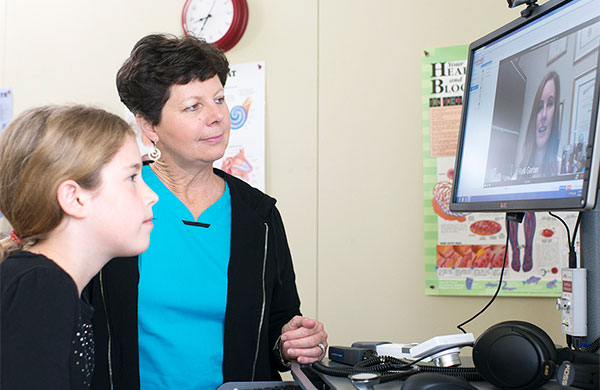
Historical policy notice (March 2020): This archived report describes temporary emergency-era telehealth and hospital policies, not current Medicare billing or professional licensing requirements. CMS announced expanded Medicare telehealth coverage on March 17, 2020, for qualifying services beginning March 6, 2020. Federal section 1135 licensing flexibility did not override state licensure laws. Consult the CMS telehealth services list and HHS cross-state licensing guidance for current information.
On Friday, President Donald Trump declared a national emergency related to the COVID-19 pandemic. The Centers for Medicare & Medicaid Services loosened requirements that would make it easier for hospitals to bolster care through telehealth.
The Centers for Medicare & Medicaid Services (CMS) and Department of Health and Human Services (HHS) implemented changes that would make it easier for hospitals to stand up telehealth programs in response to the Covid-19 pandemic. As healthcare workers face an influx of patients and limited protective equipment, telehealth will play an important role in helping triage and treat patients.
After President Donald Trump declared a national emergency over the new virus on Friday, CMS shared additional guidance on what it means for health systems. Hospitals will have more flexibility to reserve beds for the sickest patients, and providers will be able to work across state lines, making telehealth programs easier to implement in many states.
CMS Administrator Seema Verma said the changes would take effect retroactively, dating back to March 1.
“Our actions allow hospitals to reserve beds for the most severely ill patients by discharging those who are less severely ill to skilled nursing facilities; they bolster hospital capacity in rural areas by removing restrictions on critical access hospitals; and – crucially – they allow healthcare professionals to provide care across state lines more easily,” she said in a prepared statement. “I’ll also flag the expanded use of telehealth, allowing people to communicate with their providers from home and limit the spread of the virus. And this is just the beginning of our work on telehealth – we will have more flexibility coming in the coming days.”
In March 2020, federal emergency waivers relaxed certain Medicare and Medicaid reimbursement-related licensing requirements for qualifying out-of-state providers. Those federal waivers did not independently waive state or local licensure requirements.
States will also be able to seek Medicaid waivers to streamline enrollment and licensing requirements for providers.
These changes are on top of flexibilities passed earlier this month by Congress as part of an $8.3 billion emergency spending bill. Azar enacted the changes on Friday that would lift Medicare restrictions to telehealth in rural areas, allowing older patients to receive telehealth visits in urban areas and for in-home care.
Move from information to action
See how the N9+ can fit your organization.
Explore the remote physical exam platform or request a focused demonstration.