
Remote Patient Monitoring + Virtual Care
Hospital Simplifying
Chronic COPD Management
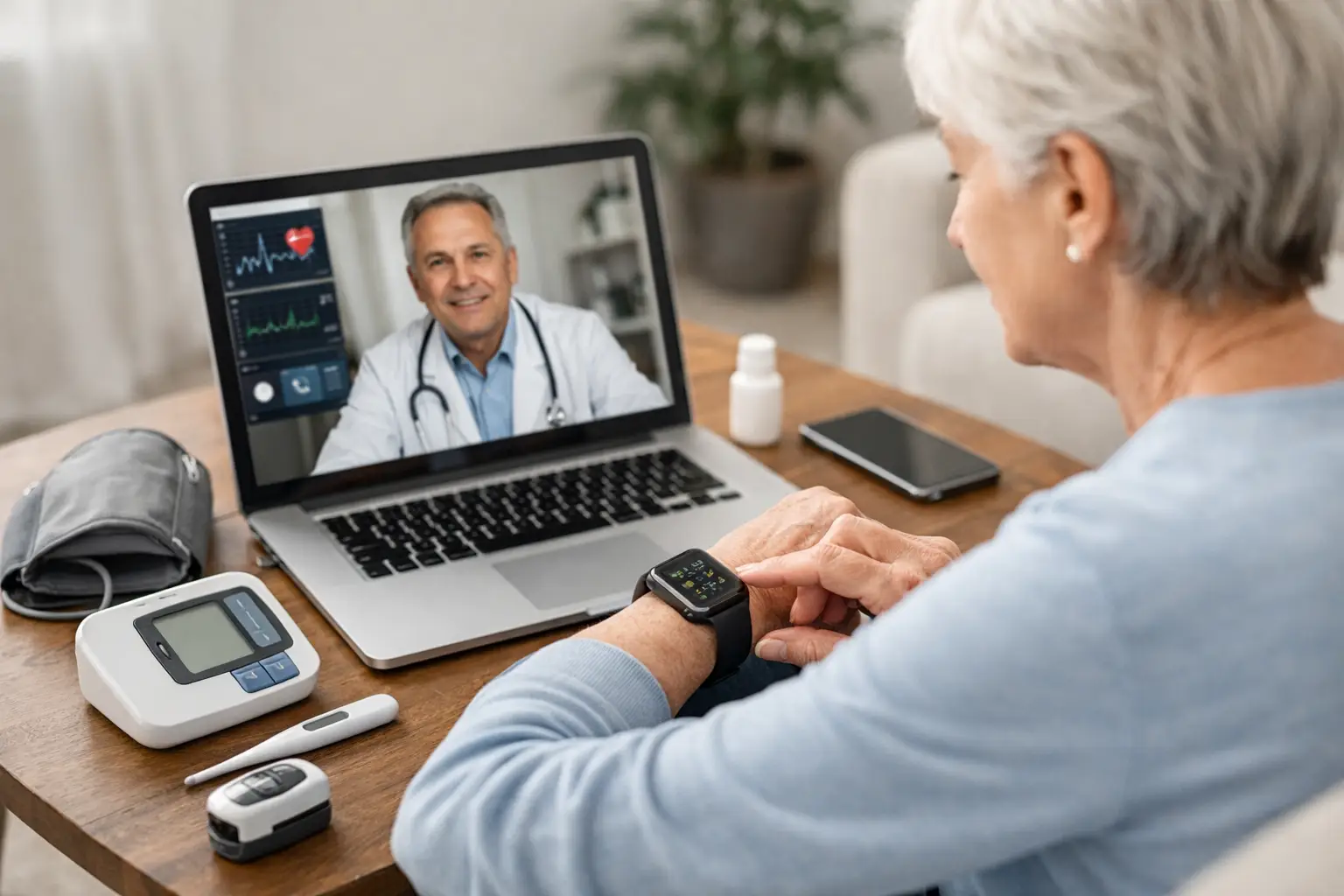
Help care teams stay connected to patients with COPD between visits, monitor changing symptoms and vital signs, and intervene earlier when risk begins to rise.
Overview
Chronic obstructive pulmonary disease remains a major driver of hospitalizations and readmissions. Connected care can extend clinical visibility beyond the hospital and help patients manage day-to-day changes at home.
The referenced program combined patient engagement, virtual visits, education and connected monitoring to support proactive COPD management.
Program Highlights
- Individualized COPD action plans
- Home-based education and medication support
- Scheduled virtual care-team visits
- Remote collection of key physiologic readings
- Patient questionnaires and symptom reporting
- Earlier escalation when clinical risk changes
Proven Outcome
Lennox and Addington County General Hospital reported:
Historical program result reported in the referenced COPD case study. Outcomes vary by population and implementation.
Resources
Empowering patients to manage COPD at home
Chronic diseases such as COPD place a growing strain on healthcare systems and are a common cause of avoidable hospital use. COPD is a chronic, progressive lung disease that can include bronchitis and emphysema and is characterized by debilitating breathlessness.
Dr. Graeme Rocker, Professor of Medicine at Dalhousie University, developed INSPIRED, a holistic and proactive hospital-to-home model of COPD care. The model focused on self-management education, customized action plans, psychosocial and spiritual support, and advance care planning.
How the program worked
Lennox and Addington County General Hospital in Southern Ontario extended the INSPIRED model using the aTouchAway platform to connect care teams with COPD outpatients and their families at home. The COPD Patient Outreach program included:
- An individualized COPD action plan to help manage acute flare-ups and support earlier treatment.
- Home-based education covering respiratory care, medications, inhaler use, home oxygen when prescribed, and everyday coping techniques.
- Dietitian and physiotherapy assessment and action planning.
- A mobile virtual-care connection to the patient’s care team, family members, loved ones and supporting care professionals.
At predefined intervals, the care team conducted virtual visits with patients. Between visits, medication and activity reminders supported adherence, while connected devices transmitted readings including blood oxygen saturation, weight, blood pressure, pulse, blood glucose, activity and temperature. Patient questionnaires also supported self-reporting on specific areas of concern.
After a year of the program, Lennox and Addington County General Hospital reported a reduction in 30-day COPD readmissions from 23% to 3.4%.
The case study above reflects a historical aTouchAway-powered implementation and is presented as evidence of the potential value of connected COPD care. It should not be interpreted as a guarantee of results for every organization or as a clinical claim specific to the N9+.