
Telehealth and Delayed Emergency Care: ABC7 Reporting from July 2020
Historical news context (July 2020): This article recounts ABC7/WJLA reporting during the first months of the COVID-19 pandemic. Its telehealth adoption figures and Washington, D.C., mortality figures describe that period, not present-day conditions. Telehealth can complement care but should not delay emergency evaluation for serious symptoms. See the CDC’s emergency warning signs and call 911 for a medical emergency.
WASHINGTON (ABC7) — Telehealth has gone from a novelty to necessity during the pandemic as patients’ fears grow over contracting COVID-19 at hospitals and primary care offices.
“Heart attack, strokes, cardiac arrests. They don’t stop because of COVID,” said Dr. Reginald Robinson of the American Heart Association during a District of Columbia news conference Wednesday.
The District, along with regions across the country, is seeing an excess of people dying over last year and it’s not just from contracting coronavirus but from fear of heading to the hospital.
“They didn’t just magically disappear. As a part of that, people have just stopped calling 911 for those cases,” said Robinson.
D.C. health officials reported more than 550 excess deaths in the period discussed. In the contemporaneous breakdown, 54% were attributed to COVID-19 and 46% were not; that distinction alone does not establish the cause of each non-COVID-19 death.
“Where have all the cancer patients gone? Where have all the heart disease patients gone? There were empty wastelands of hospitals of patients not coming in. Unfortunately, we now know where they all went,” said Dr. Atul Gupta.
Gupta is a Philadelphia interventional radiologist and chief medical officer for Philips’ Image Guided Therapy. The medical technology company reached out to ABC7 News about where they see the future of healthcare going.
“It’s a 120-fold increase in telehealth visits just from March to April. So, there’s no putting the genie back in the bottle, we’re not going back but we do need to make the telehealth better,” Gupta told ABC7 reporter Victoria Sanchez in a video interview this week.
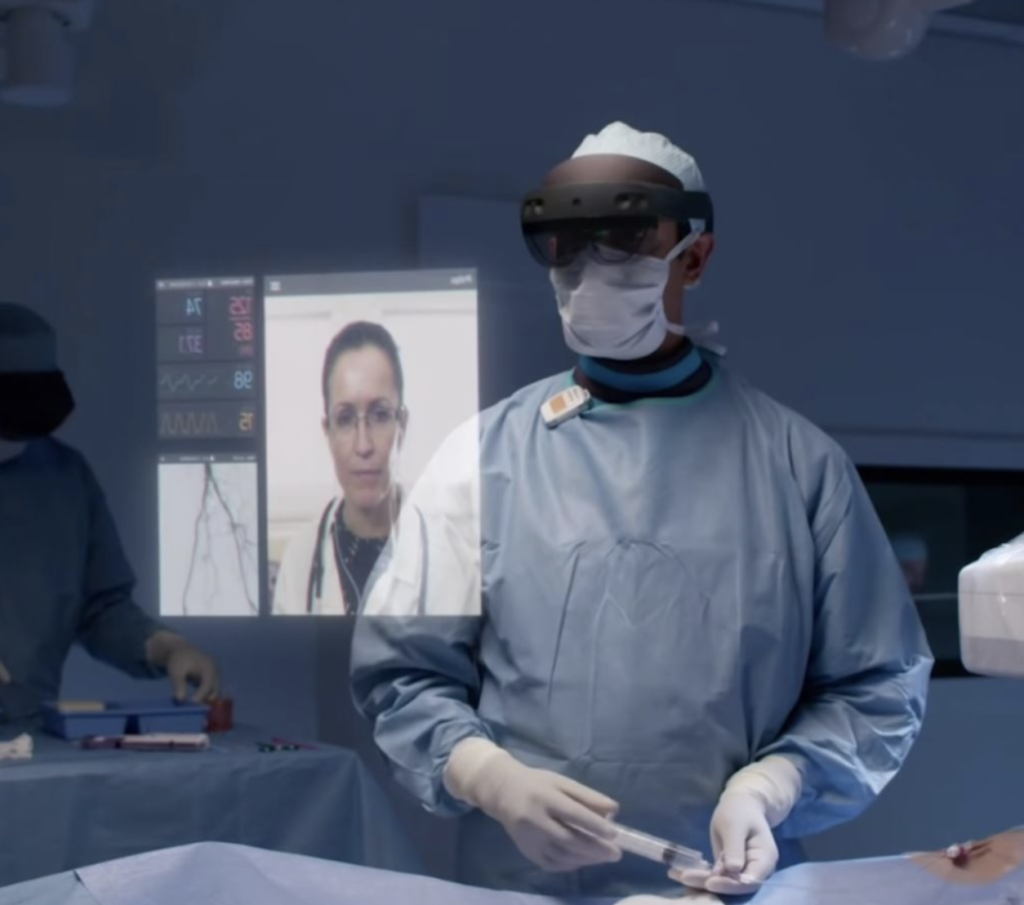
He explained how new technology development is being accelerated during the pandemic with things like augmented reality for surgeries and connecting physicians around the world in real-time.
Getting tech in the hands of everyday providers is at the forefront of many doctors’ minds as patients stop seeking help for chronic conditions.
“We have to be looking at, well what are the other causes of excess deaths we are seeing in the District that could have been avoidable?” said Dr. LaQuandra Nesbitt, director of the DC Department of Health.
“What can be done over the phone, what can be done using an iPad and what requires me to come in person? The important thing is to remain in contact with your healthcare provider.”
Nesbitt warned the pandemic must not turn into a second tragedy.
“We have to get patients comfortable about coming back in for care and technology, I think can help,” said Gupta.
Move from information to action
See how the N9+ can fit your organization.
Explore the remote physical exam platform or request a focused demonstration.