
Smart Hospitals and Digital Care: Frost & Sullivan’s 2020 Outlook
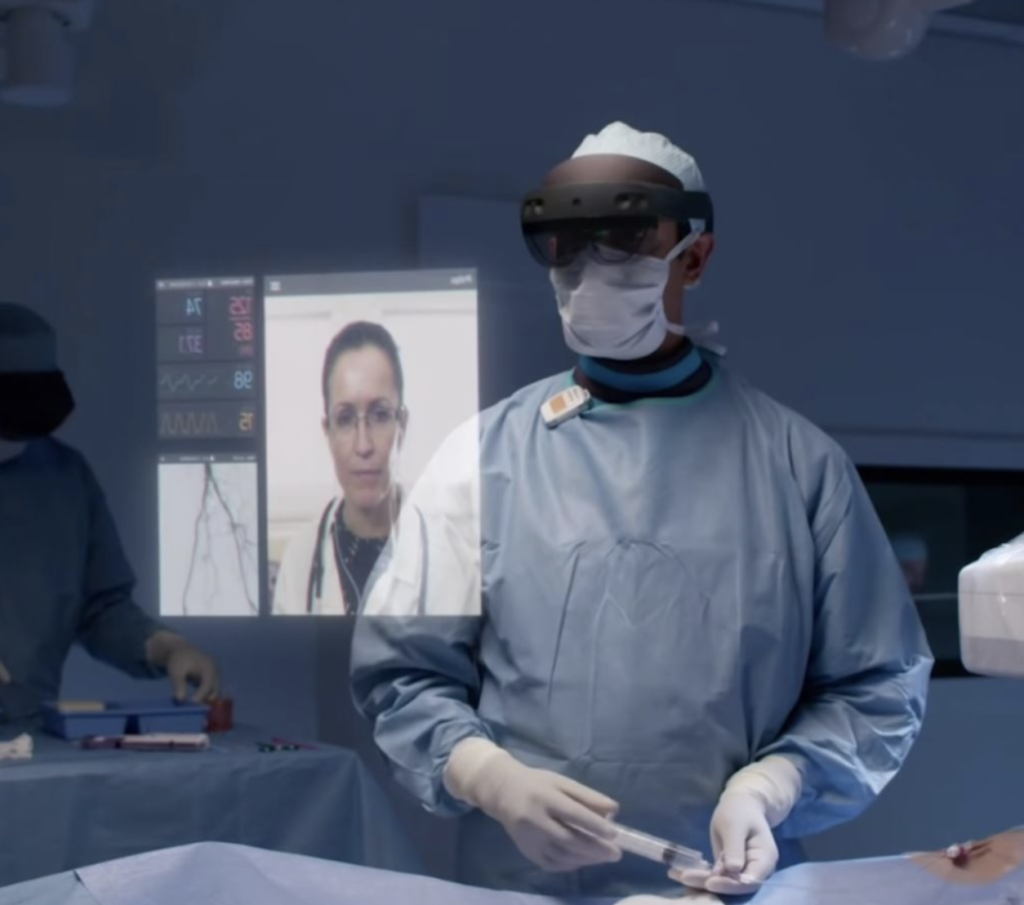
Historical archive note (October–November 2020): This coverage summarizes Frost & Sullivan’s pandemic-era Digital Hospitals report. Forecasts of smart-hospital growth and stated quality gains describe the report’s findings and expectations at that time; they are not independently verified current outcomes. Original report reference.
A 2020 Frost & Sullivan report described potential quality-of-care and productivity benefits from hospital technologies including artificial intelligence, remote monitoring and robotics; the report’s claims should not be read as proof of improved outcomes at every hospital.
A new report titled Digital Hospitals: Creating Growth Opportunities in Patient Care during the COVID-19 Pandemic and Beyond , has found that COVID-19 has led to a widespread adoption of these advanced technologies in hospitals. The report forecast that smart-hospital adoption could rise over the following two to three years, as they lead to higher quality care and productivity gains.
This rise in the adoption of digital technologies in hospitals presents immense growth prospects for companies in this field. The report identified the following areas where smart hospital technologies are improving patient care and work efficiency:
- Deploying smart patient tracking systems to manage patient flow, treatment progress and discharge among other hospital processes
- Proper training and implementation of EHRs improve a hospital’s ability to provide high-quality care and address health disparities in the population
- Use of AI makes supply chain management more sophisticated as the algorithms process huge volumes of hospital data. This helps to identify trends and provide insights to improve the facilities’ efficiency and quality of care
- Analyse data obtained from different hospital departments to empower local healthcare teams
“To improve patients’ satisfaction levels at every step of care delivery during their stay in the facility, digital hospitals are using technologies like hospital navigation, intelligent imaging platforms, medical robots, remote patient monitoring tools, medication management applications, communication tools, electronic health record (EHR) applications, and clinical decision support solutions” Neeraj Nitin Jadhav, Technical Insights Senior Research Analyst at Frost & Sullivan, said of the findings.
“Digital hospital operators need to focus on building internal architecture, especially staff workstations and patient rooms that follow evidence-based design (EBD), as these are the areas where clinical decisions are made and care is provided, respectively.
“Additionally, decentralised healthcare staff workstations outside the patient rooms can allow the staff to be closer to the point of care rather than a centralised area, which increases the travel distance for the health professionals.”
Move from information to action
See how the N9+ can fit your organization.
Explore the remote physical exam platform or request a focused demonstration.