
Telehealth sweet spot? Remote monitoring of patients with cardiovascular or respiratory disease, AHRQ says
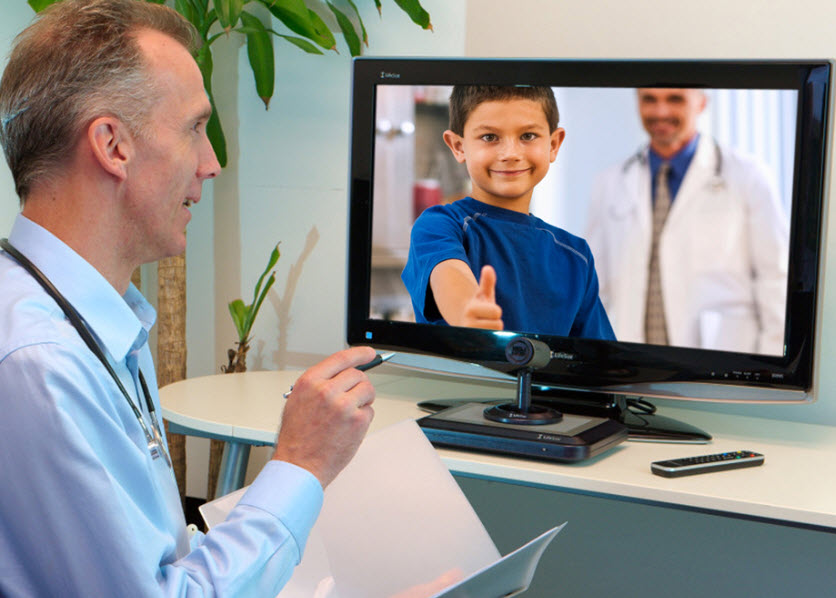
In a June 2016 evidence review, the U.S. Agency for Healthcare Research and Quality (AHRQ) highlighted remote monitoring for cardiovascular and respiratory conditions and identified maternal health, pediatric care, and teledermatology as areas needing further patient-outcome research. The review found benefits or potential benefits for some chronic disease applications, while cautioning that evidence on costs and health service utilization was less conclusive.
July 05, 2016 by Jeff Lagasse
Telehealth sweet spot? Remote monitoring of patients with cardiovascular or respiratory disease, AHRQ says | Healthcare IT News
The U.S. Agency for Healthcare Research and Quality examined 58 systematic reviews (2016 AHRQ evidence map) amid a substantial volume of research on telemedicine to pinpoint when telehealth interventions work best. The data suggests telehealth improves outcomes such as mortality, quality of life and reductions in hospital admissions when used for remote patient monitoring for certain chronic conditions as well as for psychotherapy as part of behavioral health. Top chronic conditions for telehealth success: cardiovascular and respiratory disease, according to AHRQ. AHRQ noted, however, that information on how telehealth affects cost and utilization is currently limited.
Of the 32 reviews reporting cost or utilization outcomes, 13 percent indicate that telehealth provides a benefit in terms of reduced costs and utilization; 34 percent say there is a potential benefit; 31 percent were inconclusive; and 22 percent found no benefit. Telehealth includes a wide range of technologies; for the purposes of this study, it was defined as the use of information and telecommunications technology in a specific patient’s healthcare delivery from a provider across distance or time.
The study’s authors also said that research into practice-level implementation should be the next step, particularly since the vast majority of research conducted to date has been conducted within old – and possibly soon-to-be-outdated – care delivery models. Topics with an evidence base that could be the focus of future systematic reviews include telehealth for consultation, uses in intensive care units and applications in maternal and child health. And telemedicine for triage in urgent or primary care, management of serious pediatric conditions, patient outcomes for teledermatology, and the integration of behavioral and physical health were earmarked by AHRQ as ripe for analysis.
Move from information to action
See how the N9+ can fit your organization.
Explore the remote physical exam platform or request a focused demonstration.