
2018 Medicare Virtual Care Proposal: Five Policy Points
July 2018 overview of five proposed Medicare virtual-care payment changes, now updated to distinguish stakeholder questions and proposed estimates from finalized 2019 billing policies.
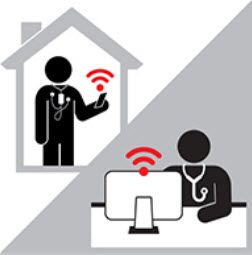
Historical context (November 2026): This July 2018 article summarizes a proposal, not current Medicare billing rules. CMS finalized separate payment for qualifying virtual check-ins (G2012) and remote evaluation of recordings from established patients (G2010) in November 2018, for services beginning January 1, 2019. The proposed dollar amounts below are historical estimates, not current payment rates. See the CMS 2019 Physician Fee Schedule final-rule fact sheet.
Here are five telehealth changes CMS proposed:
1. Although CMS has bundled “routine non-face-to-face communication” into the cost of in-person visits, the agency is proposing to reimburse physicians for video or audio check-ins even if they don’t result in an office visit.
2. Medicare would pay $14 per virtual check-in, compared to the cost of a $92 patient visit.
3. Clinicians would be able to review photos or videos submitted by patients via prerecorded “store and forward” video or image technology to determine whether an in-person visit is needed.
4. CMS asked whether certain remote reviews of patient-submitted photos or recordings might be appropriate without a preexisting patient-practitioner relationship. That question did not create a blanket exemption from the established-patient requirements for these proposed services.
5. CMS may be opening the door to new opioid and substance abuse treatment options, including virtual medication-assisted therapy.
“For a lot of our beneficiaries, it’s a challenge to get to a doctor,” CMS Administrator Seema Verma told Politico’s morning eHealth newsletter. “This is just another access point for communication with clinician. It doesn’t replace office visits.”
Comments on the proposed rule were due September 10, 2018.
Move from information to action
See how the N9+ can fit your organization.
Explore the remote physical exam platform or request a focused demonstration.