
Remote Patient Monitoring Benefits and Limitations: A 2022 Overview
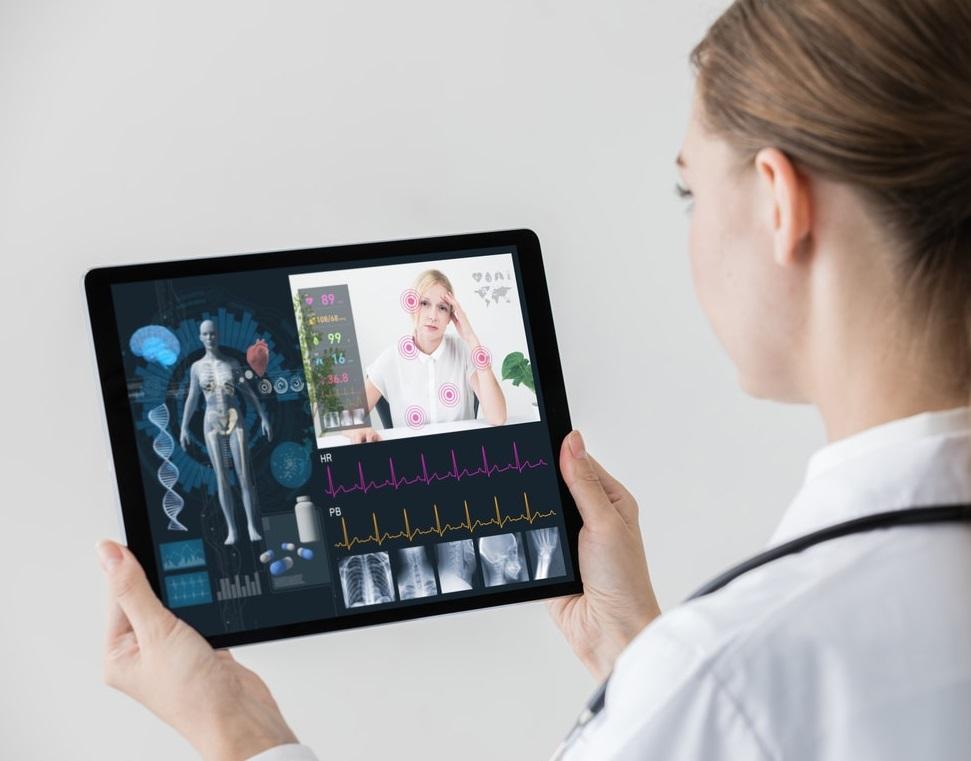
Archive update (November 17, 2026): This December 2022 overview makes broad claims about constant monitoring, cost savings, universal access and international consultations that should not be treated as established or guaranteed. Remote patient monitoring is used under a care plan, does not replace emergency care, can involve patient costs, and is subject to device, clinical and coverage limitations. See HHS patient guidance and CMS Medicare guidance.
Remote patient monitoring is a more advanced method for healthcare centers to examine their patients. Although remote patient monitoring is not the latest technology but its need has increased tremendously in COVID-19 days because these days, no one was allowed going outside of their houses or living places, then doctors and all other great healthcare centers had to make a lot of positive changes in RPM to make it better for patients as well as for themselves. Nowadays, the United States is leading all the countries to use this impressive technology, but there are also some other advanced countries that are getting benefits from RPM.
According to the Centers for Disease Control and Prevention (CDC), the US spends almost $3.5 trillion on the treatment of chronic diseases. That is almost 90% of total annual healthcare expenditures. Chronic diseases are very complicated and need special attention to cure. That is where RPM comes into play because, with the help of RPM, healthcare centers can keep an eye on their patients all the time. RPM is very different and beneficial from traditional treatment methods. In this article, we will discuss some of the benefits of Remote Patient Monitoring, how and why it is working better than other traditional treatment methods.
1- Patients are more visible to healthcare centers
RPM can help a care team review readings taken and transmitted under a monitoring plan, but continuous observation is not guaranteed and RPM is not a substitute for emergency assessment. But in traditional treatment, if a patient has to meet his doctor, he has to physically travel to his doctor, which is sometimes very difficult. Its suitability depends on clinical need, device access, patient preferences, and access to in-person care.
2- RPM is Cheaper than Traditional Treatments
Another important benefit of RPM is it reduces a lot of our expenses as compared to traditional treatment methods. Suppose in traditional treatment a patient has to pay for traveling, rent, childcare, and other expenses. A patient does not have to pay for these extra expenses if he chooses RPM for his treatment. This is why nowadays surveys always show the first priority of patients is telehealth facilities over other traditional methods.
3- No Barriers
If you ask for the biggest benefit that RPM provides, most of the doctors, as well as patients, go for no barriers. Let me explain how. In traditional treatment, a patient has to reach his doctor physically, which is very difficult for those who are living in rural areas where the system of transportation is also not good. If the condition of a patient is severe, they may die before reaching the hospital. These traditional treatment methods are very disgusting. But the arrival of RPM makes it very easy to contact doctors whenever and wherever you want.
4- Easy to connect
Remote patient monitoring is very comfortable for patients as they feel more connected to their medical staff or health givers. In traditional treatment in the hospitals, a doctor only comes once a day to visit the patient and then disappears, but in RPM you are always connected with the caregiving staff, which is very beneficial. Due to this facility, patients feel much better and more confident than other patients and feel free to connect with their doctors.
5- Extends the reach of the Physician
Remote patient monitoring is beneficial because it extends the reach of doctors worldwide. Remote care across state or national borders may be limited by the clinician’s licensure, local law, coverage, and clinical circumstances. In COVID-19, patients always connect with their doctors through RPM and this is the only reason why RPM is so famous now. In traditional treatment, a patient has to move out of his country if he wants to visit a doctor outside of his country, which is very difficult, but RPM makes it look so easy to connect healthcare centers worldwide.
6- Creates a good relation
Look when patients visit the doctors at their clinics, sometimes they are shy and do not explain their entire condition and problems, which could be fatal for their health in the future. But when they leave, they feel that they should tell their doctors what they have not said. This is where RPM is also more effective than traditional treatment as the condition of the patient is reached to the doctors through an electronic medical records system automatically, which is a very big advantage.
Sum up:
In this article, our motto was to find the benefits of RPM. Health caregivers believe that there are a lot of benefits of using RPM instead of traditional treatment systems, but we have discussed a few of them, which are more common and basic.
Move from information to action
See how the N9+ can fit your organization.
Explore the remote physical exam platform or request a focused demonstration.