RHTP Sustainable Access Solutions for Rural Care
RHTP sustainable access solutions help rural providers extend clinical reach through virtual exams, RPM, coordinated workflows, and durable care models.
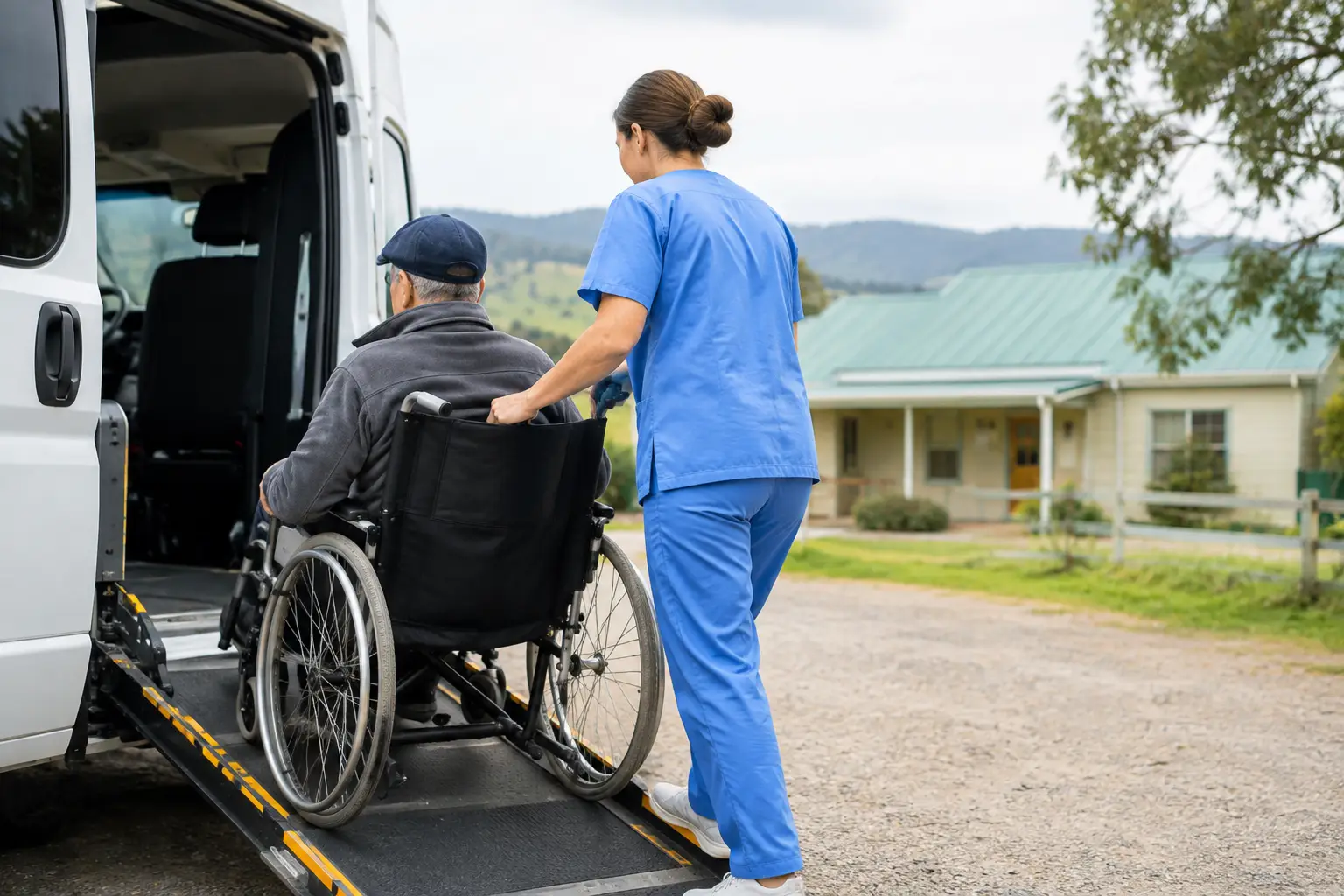
A rural family should not have to lose a workday, arrange transportation, and travel hours for a follow-up that could be safely completed closer to home. Yet distance, specialist scarcity, weather, and limited clinical capacity continue to shape health outcomes across rural communities. rhtp sustainable access solutions address this practical reality by helping organizations build care models that remain useful after a pilot period, grant cycle, or staffing change.
For rural health leaders, sustainable access is not simply a question of adding telehealth visits. It requires clinically relevant technology, dependable workflows, trained local teams, engaged caregivers, and a financial model that supports continued service delivery. The goal is not to replicate every in-person encounter virtually. It is to make the right level of clinician-directed care available in the right setting, at the right time.
What sustainable access means in rural healthcare
Access is often measured by appointment availability or travel distance. Those measures matter, but they do not fully describe whether care is accessible. A patient may be able to schedule a video visit yet still lack the clinical data a provider needs to make a confident decision. A rural clinic may deploy connected devices yet have no clear process for reviewing readings, escalating concerns, or documenting services.
A sustainable model closes these gaps. It connects virtual physical exams, remote patient monitoring, chronic care management, care coordination, and follow-up into an operating model that clinicians and patients can use consistently. It also recognizes that rural communities are not uniform. A critical access hospital, rural health clinic, school-based health program, and federally qualified health center may share access challenges while requiring different staffing models and pathways of care.
For many organizations, the strongest approach is a hub-and-spoke design. A clinician or specialty team can serve as the hub, while schools, community sites, local practices, homes, or long-term care facilities become supported access points. The model extends expertise without asking every site to recruit the same scarce workforce.
RHTP sustainable access solutions start with clinical utility
Technology earns adoption when it helps clinicians answer meaningful clinical questions. A standard video visit can support conversation, observation, education, and some follow-up. It may not be sufficient when a provider needs to assess heart or lung sounds, view the ear or throat, capture vital signs, or evaluate a change in condition.
Device-enabled virtual examinations give care teams a more complete picture when used within appropriate clinical protocols. The Dr. Miltie N9+ supports clinician-directed remote assessments by bringing connected examination capabilities and patient data capture into settings beyond the traditional exam room. That can help a rural provider determine whether a patient can remain safely in the community, needs an in-person appointment, or requires a higher level of care.
Clinical utility is particularly significant in pediatrics. Children with autism and other special healthcare needs may experience significant stress during unfamiliar travel and clinical encounters. When appropriate, care delivered in a familiar setting such as home, school, a pediatric practice, or a community clinic can reduce disruption and enable caregivers to participate more fully. It also gives clinicians information about the child in the context where daily routines occur.
Virtual care is not a replacement for all in-person medicine. Emergency symptoms, procedures, complex diagnostic workups, and many preventive services still require hands-on care. Sustainable access depends on clear inclusion criteria and escalation pathways, not on treating virtual care as the answer to every encounter.
Build workflows before expanding endpoints
A common implementation mistake is to distribute devices before defining the care process around them. When that happens, equipment may sit unused, staff may be uncertain about responsibilities, and clinical leaders may question the program’s value. A better starting point is a narrow, high-value use case with clear ownership.
For example, an organization might begin with pediatric follow-up, post-discharge monitoring, chronic disease check-ins, or access to a rotating specialty service. The care team should determine who identifies eligible patients, who prepares the patient and caregiver, who assists with the virtual exam if needed, who reviews data, and what happens when findings fall outside established parameters.
Documentation must fit the organization’s clinical and billing workflows. Data should be available to the appropriate care team in a usable format, while privacy and security controls support HIPAA-compliant care delivery. Training should include more than device operation. Staff need to practice patient setup, caregiver communication, troubleshooting, clinical escalation, and workflow handoffs.
Care pathways should be customized, but they should not become overly complicated. Rural teams often have limited bandwidth. The most durable workflows reduce avoidable steps and make it easy for staff to know what to do next.
Make caregiver and community participation part of the model
Rural access programs are more likely to last when patients and caregivers see a direct benefit. Convenience matters, but trust matters more. Patients need to understand why a virtual exam or remote monitoring process is being used, what information will be collected, who can access it, and when to seek immediate care instead.
Caregivers can be essential partners, especially in pediatric care and chronic disease management. They may help prepare a child for a virtual visit, share observations that are not visible on camera, support home monitoring, and reinforce care plans between encounters. Their participation should be designed into the workflow rather than treated as an informal add-on.
Community-based access points can also strengthen engagement. Schools, local clinics, senior living communities, and trusted community organizations may help patients receive support closer to where they live. Each setting requires appropriate policies, consent processes, training, connectivity planning, and clinical oversight. The opportunity is significant, but success depends on respecting the role and capacity of each local partner.
Plan for reimbursement and operational durability
A program is not sustainable if its funding strategy depends entirely on one-time dollars. Rural health transformation initiatives can create momentum for infrastructure and implementation, but leaders should evaluate how services will be supported in routine operations.
That means reviewing applicable CMS, payer, and state requirements for telehealth, remote patient monitoring, chronic care management, and related services. Coverage and billing rules vary by service, payer, patient eligibility, care setting, and clinician type. Organizations should validate their specific model with compliance, coding, finance, and legal stakeholders before assuming a workflow is reimbursable.
Financial sustainability is broader than reimbursement alone. Leaders should consider avoided travel, reduced unnecessary transfers, improved follow-up completion, clinician productivity, retention, patient experience, and the ability to extend specialty capacity across multiple sites. Some benefits are direct and measurable; others may emerge over time. Establishing baseline measures before launch makes the value story more credible.
Useful measures may include time to appointment, no-show rates, travel avoided, completed follow-ups, emergency department utilization, transfer patterns, patient and caregiver satisfaction, staff adoption, and clinical outcomes relevant to the selected population. Metrics should serve operational decisions, not merely grant reporting.
Design for resilience, not ideal conditions
Rural care delivery must work under real-world constraints. Broadband availability can vary by neighborhood, household, school, and facility. Staffing coverage can change quickly. Patients may have limited digital confidence, and local sites may face competing priorities.
A resilient model plans for these realities. It offers practical technical support, tests connectivity in the actual care environment, provides fallback procedures, and avoids relying on a single highly trained individual. Organizations should also consider how devices are cleaned, stored, transported, maintained, and made available when demand increases.
Interoperability and data governance deserve the same attention. Clinical teams need actionable information without creating duplicate documentation or fragmented records. Leaders should define what data is captured, where it is stored, who reviews it, how long it is retained, and how exceptions are handled. These decisions protect both patient safety and staff capacity.
The strategic opportunity for rural providers
RHTP sustainable access solutions are strongest when they are treated as a care delivery strategy rather than a technology purchase. The strategy should begin with populations whose access barriers are most consequential, then match clinical capabilities, workflows, financing, and local partnerships to those needs.
For a child who struggles with travel, a caregiver balancing work and family responsibilities, or a rural patient facing a long drive for follow-up, closer care can change whether care happens at all. Organizations that build thoughtfully can extend clinical reach while preserving the local relationships that rural communities depend on. The practical next step is to identify one care pathway where distance is causing avoidable delay, then design the clinical and operational support needed to bring that care closer to home.
Looking for current opportunities?
Funding intelligence now lives at Atlas by Dr. Miltie.
Atlas is a separate experience for discovering grants, evaluating fit, and producing submission packages.
Move from information to action
See how the N9+ can fit your organization.
Explore the remote physical exam platform or request a focused demonstration.