
Occupational Health Technology Trends to Watch
Occupational health technology trends are reshaping virtual exams, remote monitoring, care coordination, and safer access for distributed workforces.
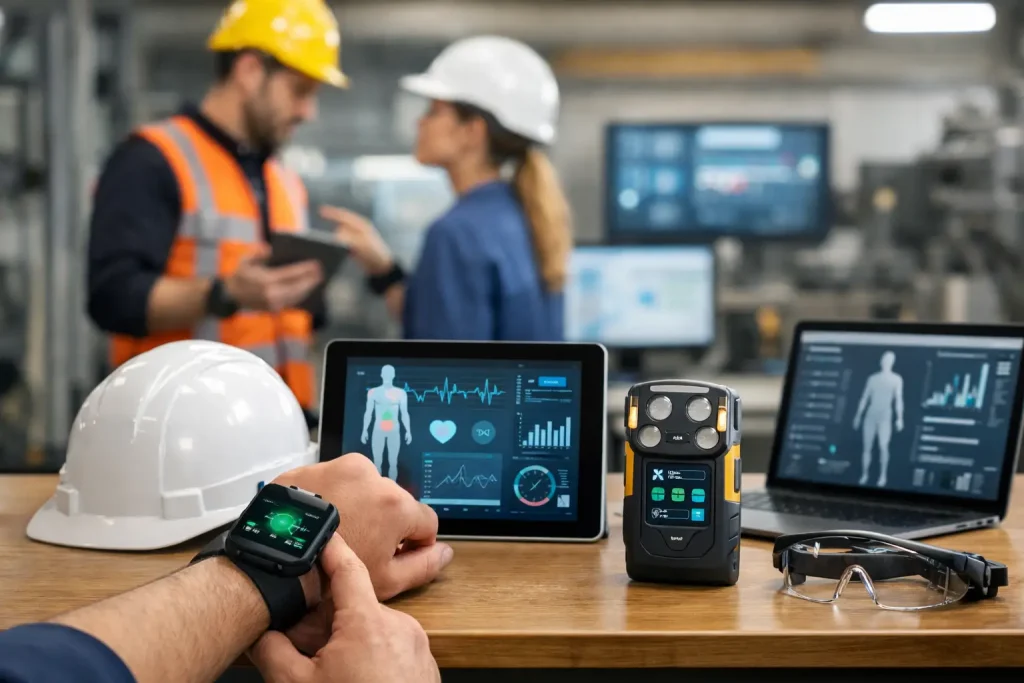
A worker develops shortness of breath at a remote job site. Another needs a return-to-work evaluation but lives hours from the nearest occupational health clinic. In both situations, occupational health technology trends are changing what care teams can do before a patient travels, misses a shift, or waits days for clinical guidance. The opportunity is not simply to move an appointment to a screen. It is to bring clinically useful assessment, care coordination, and follow-up closer to where people work and live.
For occupational health leaders, the most meaningful technology investments are those that improve access without weakening clinical standards. That requires tools that fit real workflows, support HIPAA-compliant communication, create usable documentation, and give clinicians enough data to make informed decisions. The trends gaining traction point toward more connected, distributed models of workforce care.
Occupational Health Technology Trends Moving Beyond Video Visits
Video visits remain valuable for triage, medication follow-up, counseling, and many routine consultations. Yet a conversation alone has limits when a clinician needs vital signs, visual examination findings, or a more complete understanding of a worker’s condition. The next phase of virtual occupational health is device-enabled care.
Connected examination systems can help a clinician guide a remote physical assessment while receiving clinically relevant data. Depending on the use case and available devices, this may include temperature, blood pressure, pulse oximetry, heart and lung sounds, images, or other findings that support a decision about treatment, work restrictions, referral, or escalation. This is especially useful for dispersed workforces, rural sites, school-based staff, home-based employees, and organizations with limited on-site clinical coverage.
The distinction matters. A virtual encounter that captures no objective information may be appropriate for a narrow set of needs. A virtual physical exam can support a broader clinical pathway when it is conducted with the right equipment, trained facilitators where needed, and clear protocols. Technology should extend clinical judgment, not create a false sense of diagnostic certainty.
Remote patient monitoring is becoming condition-specific
Remote patient monitoring is increasingly being designed around defined clinical and operational goals rather than deployed as a generic collection of connected devices. For occupational health programs, that can include monitoring workers with hypertension, diabetes, respiratory conditions, or recovery needs that may affect safe work participation.
The strongest programs identify who benefits, which readings matter, who reviews them, and what happens when a result falls outside established parameters. Without those decisions, organizations can generate more data than their care teams can responsibly manage. Monitoring is most effective when it supports an action: a same-day outreach, medication review, clinician visit, workplace accommodation conversation, or referral to a higher level of care.
For employers and provider organizations, the model also depends on appropriate consent, privacy safeguards, and a clear separation between clinical information and employment decision-making. Health data should be managed by the care team within applicable privacy and legal requirements, not treated as a shortcut for workforce surveillance.
Care Coordination Becomes the Operating Layer
Occupational health often sits at the intersection of employees, employers, supervisors, treating clinicians, insurers, and sometimes workers’ compensation programs. Fragmented communication can delay care and create avoidable administrative burden. One of the most practical trends is the use of technology to coordinate these parties while maintaining role-based access to sensitive information.
Modern platforms can route tasks, document outreach, support referral tracking, and provide patients with clear next steps. For a worker, that may mean receiving instructions after a virtual exam, scheduling follow-up care, and sharing relevant information with a primary care clinician. For the occupational health team, it means fewer disconnected phone calls and less reliance on manual spreadsheets.
This is where workflow customization matters more than feature volume. A large health system may need integration with its electronic health record, centralized nursing protocols, and employer reporting processes. A rural clinic may need a simpler model that lets a local staff member facilitate a virtual exam with a distant clinician. The technology should conform to the care pathway, not force the pathway to conform to a generic application.
Clinician-directed virtual exams expand access to expertise
Many occupational health settings do not have every specialty or clinician type available at the point of need. Clinician-directed virtual examination can extend the reach of a qualified provider without assuming that every encounter requires an in-person visit.
This model can be valuable when a worker needs a timely assessment in a remote location, when a local clinic needs specialist input, or when an organization is managing a high-volume, geographically distributed workforce. It can also reduce the travel burden associated with follow-up visits, particularly in rural communities where transportation and staffing shortages can delay care.
A connected-care platform such as the Dr. Miltie N9+ can support this model by enabling remote clinicians to obtain more than a visual impression during a virtual encounter. The value is not the device alone. It is the combination of connected exam capabilities, care-team workflows, training, documentation, and a pathway for escalation when virtual care is not appropriate.
AI Will Be Useful When It Stays Accountable
Artificial intelligence is becoming more visible in occupational health, especially in documentation support, scheduling, risk stratification, symptom intake, and identification of patients who may need outreach. Used thoughtfully, these tools can reduce administrative load and help care teams focus their attention where it is most needed.
However, AI should not independently determine fitness for duty, make a diagnosis, or replace a clinician’s review of complex clinical and workplace context. A recommendation that appears reasonable in a general dataset may be inappropriate for a specific job, a worker with a disability, or a patient with multiple chronic conditions.
Healthcare organizations should ask practical questions before adopting AI-enabled tools: What data is used? How is performance evaluated? Can clinicians understand and override recommendations? Is the tool protected by appropriate privacy, security, and contractual controls? What bias testing has been performed across the populations served? Accountability must remain with the organization and licensed clinicians responsible for care.
Interoperability and Reimbursement Shape What Can Scale
Technology pilots are easy to launch and difficult to sustain when information remains isolated. Occupational health programs need relevant data to move between virtual care systems, electronic health records, referral partners, and reporting workflows without repeated manual entry. Interoperability does not require every system to be perfectly connected on day one, but it does require a realistic plan for documentation, data ownership, and continuity of care.
Financial design is equally important. Provider organizations considering virtual exams, remote patient monitoring, chronic care management, or care coordination should evaluate applicable CMS reimbursement pathways, payer requirements, state-level rules, staffing models, and patient eligibility. Employer-sponsored services may operate under different contractual structures than traditional clinical billing. The right approach depends on the service, population, site of care, and who bears financial responsibility.
Reimbursement-aware implementation is not an administrative afterthought. It influences clinical staffing, documentation standards, technology selection, and the ability to maintain a program after grant funding or pilot budgets end.
Equity and Accessibility Are Now Core Requirements
Occupational health technology can reduce barriers, but only if it is designed for the realities of the workforce. A remote worker may have limited broadband. A patient may need language support, caregiver involvement, accessible instructions, or assistance using connected devices. A neurodivergent employee or a worker with special healthcare needs may benefit from care delivered in a familiar, lower-stress setting rather than a busy clinic.
Programs should offer more than one access route. That can mean cellular-enabled devices, local clinical facilitators, phone support, translated materials, accessible user interfaces, and protocols for patients who cannot complete a video visit independently. Digital access is a clinical and operational issue, not merely a technical one.
The organizations that gain the most from these trends will avoid treating technology as a replacement for relationships. They will use it to help clinicians see more, respond sooner, coordinate better, and bring appropriate care closer to the people whose work keeps communities functioning. That is a practical standard for every occupational health investment: does it make high-quality, clinician-directed care more reachable when and where workers need it?
Move from information to action
See how the N9+ can fit your organization.
Explore the remote physical exam platform or request a focused demonstration.