
COVID-19, Cardiac Health, and Remote Monitoring: A July 2020 Perspective
Historical context (July 2020; reviewed November 10, 2026): This article includes 2020 research estimates and statements from a cardiac-monitoring company, not current clinical guidelines or guarantees of benefit. COVID-19 can be associated with persistent cardiovascular symptoms, but risks vary by patient and illness severity. Remote monitoring may support individualized follow-up; it does not replace appropriate examination or emergency care. See CDC Long COVID signs and symptoms and FDA remote monitoring device guidance (October 2023).
As concerns grow over the long-term cardiovascular health implications of COVID-19, health providers look to remote patient monitoring and telehealth to improve patient outcomes. Leading ambulatory cardiac monitoring provider InfoBionic sees a tremendous challenge ahead where thousands will deal with long-term cardiovascular health effects of COVID-19. “Although we’re still learning about COVID-19, it’s transformed our healthcare system’s monitoring and treatment approaches for patients,” InfoBionic CEO Stuart Long said. With cardiovascular injury a long-term effect for COVID-19 survivors, healthcare needs a proven means of telemetry style remote cardiac monitoring that can facilitate faster interventions that can improve health outcomes.”
Early studies in 2020 reported cardiac injury in some patients hospitalized with COVID-19. Estimates from these selected groups should not be generalized to all people infected with the virus.(1) This comes at a time when a small but increasing number of cases in the US and elsewhere show that otherwise healthy people with coronavirus are suffering blood vessel injuries, blood clots, arrhythmia, strokes, and heart attacks due to excessive clotting.(2)
COVID-19 Causes, Hotspots and the Heart
A growing understanding among researchers and cardiologists is that the coronavirus appears to enter and infect the heart cells though ACE2 receptors. These receptors are prevalent in the lungs, the heart and blood vessels where the virus can lead to cell dysfunction and cellular death.(3) Current inflammation drugs used to treat the infection can also exacerbate underlying heart issues.(4)
While the most recent data shows that 20 states are classified as hotspots (i.e. increasing infection rates), healthcare must simultaneously deal with the long-term health implications of COVID-19 survivors.(5) There is a growing prevalence of reports showing the lasting heart impairments of the coronavirus and how persistent inflammation can cause chronic cardiac complications after recovery.(6)(7)
There is a new understanding of the cardiovascular dangers for young as well as older patients with and without comorbidities. These long-term health risks position remote patient monitoring (RPM) to impact everything from sick leave and disability policies to research studies on the long-term effects of a COVID-19 aftermath.(8)
The understanding of COVID-19 and the long-term health effects of survivors and what they might need in terms of healthcare is still being studied.(9) but it’s already clear that a significant portion of the more than 2.5 million Americans who’ve contracted coronavirus may have lingering symptoms. This can be seen in the mounting stories of those who have survived COVID-19 but face ongoing health challenges, with many being heart-related conditions.(10)
Heart Monitoring and Long-term COVID Heart Health
COVID-19 complications connected to heart health may emerge and disappear. Healthcare providers will need ways to monitor the cardiovascular health of these patients remotely to curb hospital readmissions and circumvent heart issues before they become serious according to Long.
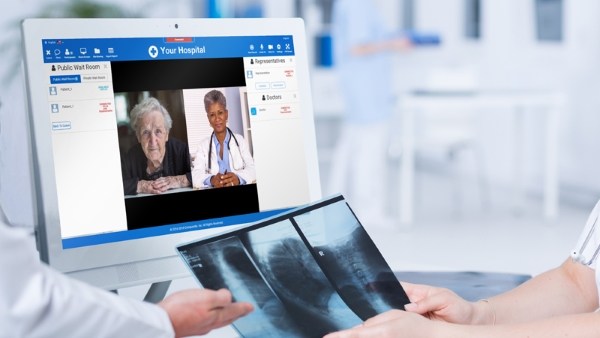
For appropriate patients, clinician-directed remote cardiac monitoring and telehealth can help with follow-up, but they cannot replace urgent evaluation or medically necessary in-person assessment.(11) The new reality of RPM and telehealth can be seen in the following surveys:
- 88 percent of healthcare providers have invested in, or are evaluating, RPM technologies.(12)
- A survey of HR executives showed that 77 percent of respondents saw telehealth as a permanent change regardless of the length of the pandemic.(13)
The reality is that monitoring a significant post-COVID-19 patient population in the long term will be a reality that requires health providers, cardiologists, and hospitals to have solutions that are simple and unobtrusive for the patient. According to Long, the implications of RPM are far reaching beyond the countless conditions associated with inflammation impacting heart health. “A major need for effective RPM will include studies impacting longer health outcomes and treatments of these conditions,” Long explained. Physicians and cardiologists will need non-invasive cardiac monitors that provide full disclosure data to deal effectively with these needs without disrupting patient lives.”
Evaluating these monitoring approaches requires evidence on patient experience, adoption, clinical safety and measured outcomes. This will impact future interventions, treatments and understanding of how viruses generally and COVID-19 specifically impact the body long-term. The recent update of legislation from the Food and Drug Administration allowing usage modifications in the function of RPM tools during the COVID-19 Outbreak will go a long way to changing the dynamic of long-term health outcomes.(14)
Move from information to action
See how the N9+ can fit your organization.
Explore the remote physical exam platform or request a focused demonstration.