
Workplace Health Programs Using Virtual Care
Workplace health programs using virtual care can expand timely access, support prevention, and connect employees with clinicians beyond the clinic each day.
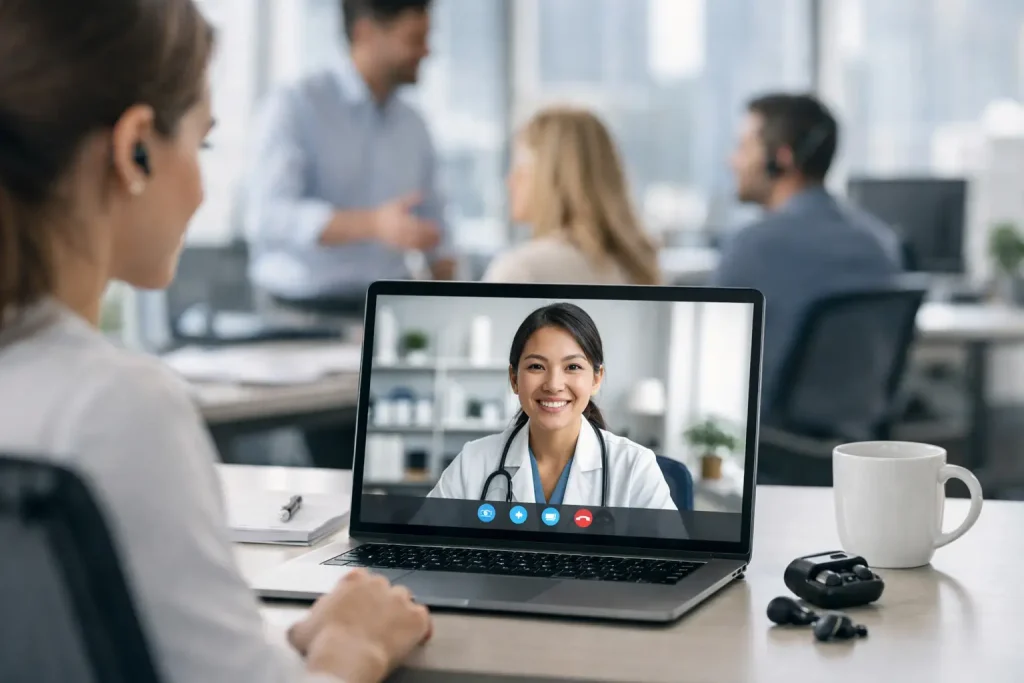
A missed primary care visit is rarely just a missed visit for an employee. It can mean delayed treatment, an unnecessary urgent care trip, time away from work, or a chronic condition that receives attention only after it worsens. Workplace health programs using virtual care give employers and their clinical partners a more practical way to bring preventive, acute, and ongoing care closer to where people spend much of their day.
For health systems, community-based providers, and employer-sponsored health programs, the opportunity is not simply to add video visits. The stronger model combines clinician-directed virtual care with reliable patient data, clear escalation pathways, and care coordination that continues after the encounter. When designed well, a workplace program can improve access without separating employees from their established primary care, specialty, or community care teams.
Why workplace access needs more than video visits
A video conversation can be appropriate for many follow-ups, medication questions, behavioral health touchpoints, and care-navigation needs. But many workplace health concerns require a clinician to see and assess more. A sore throat, respiratory symptoms, ear pain, a skin concern, hypertension follow-up, or diabetes monitoring may call for objective information that a standard video platform cannot capture.
That distinction matters when organizations are deciding whether virtual care can serve as a meaningful clinical access point. Programs built around clinician-directed virtual physical exams can help a remote provider review relevant findings, make a more informed determination, and decide whether the employee can be treated remotely, should schedule a timely in-person visit, or needs a higher level of care.
The goal is not to replace every office visit. It is to reserve in-person capacity for encounters that truly require it while making appropriate care more available for employees who face scheduling, transportation, distance, caregiving, or mobility barriers.
The workforce is not a single patient population
A workplace may include employees managing hypertension, diabetes, asthma, pain, behavioral health needs, pregnancy-related care, and routine preventive services. It may also include caregivers trying to coordinate appointments for children or aging family members. Shift workers can have especially limited access to traditional office hours, while employees in rural or distributed locations may be far from primary or specialty care.
A useful program recognizes those differences. It offers more than a generic telehealth benefit and instead establishes pathways for the conditions and populations the organization actually serves. That may include acute-care triage, chronic care management, remote patient monitoring, preventive screening follow-up, and support for employees returning to work after an illness or hospitalization.
What effective workplace health programs using virtual care include
A clinically credible program begins with a care model, not a device purchase or a video platform. Healthcare organizations should define who is eligible, which conditions can be supported, who provides care, how information flows back to the patient’s care team, and what happens when virtual care identifies an urgent concern.
The following elements make the difference between an underused benefit and an operationally sound extension of care.
Clinician-directed assessment tools
Connected examination tools can enable clinicians to gather clinically relevant information during a virtual encounter rather than relying only on patient description. Depending on the pathway, this may include vital signs and other assessment data that help support clinical decision-making.
The technology should be simple enough for an employee, onsite health staff member, or trained care coordinator to use without creating friction. It should also be selected for the clinical need. A high-acuity setting, a school-based program, and a workplace wellness room will not necessarily require the same workflow or equipment.
Clear triage and escalation protocols
Virtual care expands access, but it must not create ambiguity about when in-person evaluation is needed. Programs should establish protocols for symptoms that require immediate escalation, appropriate referral destinations, documentation standards, and follow-up responsibilities.
For example, an employee presenting with concerning cardiopulmonary symptoms should not be routed through a routine virtual workflow without a defined urgent-care pathway. Conversely, a stable employee needing medication follow-up or blood pressure coaching may benefit greatly from a scheduled virtual encounter and remote monitoring plan. Clinical governance is what makes that distinction reliable.
Care coordination beyond the encounter
The value of a workplace visit often depends on what happens next. Care teams need a process for sharing appropriate documentation, arranging referrals, following up on abnormal findings, and helping patients reconnect with their primary care provider when needed.
This is particularly important for employees with chronic conditions. Remote patient monitoring data can identify trends between visits, but data alone does not improve outcomes. A designated clinical team must review results, contact the patient when thresholds are met, reinforce the plan of care, and document interventions within the appropriate workflow.
Privacy, consent, and workforce trust
Employees will not use a workplace-connected care program if they believe personal health information can influence employment decisions. Programs need explicit privacy boundaries: employer stakeholders may receive only the aggregate, de-identified reporting needed to evaluate program performance, while protected health information remains under the control of authorized healthcare entities and clinicians.
HIPAA-compliant technology, documented consent processes, role-based access, and staff training are foundational. Communications should also explain the program in plain language. Employees need to understand who provides care, where records are maintained, what information is shared, and how to access urgent support outside program hours.
Choosing the right operating model
There is no single workplace virtual care model that fits every organization. Large employers with onsite clinics may use virtual examination capabilities to extend specialist or primary care access across multiple locations. A rural manufacturer may partner with a local health system to reduce travel and improve timely access to acute and chronic care. A public-sector employer may focus first on preventive follow-up and care navigation for a dispersed workforce.
The right model depends on clinical demand, local provider capacity, employee geography, union or benefit requirements, and reimbursement structure. It also depends on whether the program is intended as an employer-sponsored benefit, an extension of an existing provider relationship, or a service embedded in an onsite occupational health setting.
Healthcare organizations should be cautious about treating workplace care as a parallel, disconnected system. Fragmented programs can duplicate testing, confuse patients, and leave important results outside the primary care record. Integration with existing electronic workflows and community referral networks is usually more valuable than building a separate virtual front door.
Building a program that can scale responsibly
Implementation should start with a limited number of high-value use cases. Common starting points include hypertension management, diabetes support, respiratory care follow-up, medication adherence, post-discharge outreach, and timely assessment of non-emergent acute symptoms. Starting narrowly allows leaders to validate staffing needs, patient adoption, device workflows, documentation requirements, and escalation performance before expanding.
Program leaders should also define measures that reflect both clinical and operational value. Visit completion rates and employee satisfaction are useful, but they are not enough. Consider time to appointment, follow-up completion, avoidable travel, adherence to monitoring plans, emergency department utilization patterns, referral closure, and outcomes for targeted chronic conditions. Results should be interpreted carefully because utilization changes can reflect workforce mix, benefit design, and access to local services.
Financial sustainability deserves the same attention as clinical design. Reimbursement for telehealth, remote patient monitoring, chronic care management, and related services varies by payer, patient eligibility, setting, and documentation. Programs should involve reimbursement, compliance, legal, and revenue-cycle stakeholders early rather than attempting to retrofit billing workflows after launch.
A reimbursement-aware deployment also clarifies who is responsible for furnishing the service, supervising clinical staff, documenting time and medical necessity, and maintaining required patient consent. For some organizations, the right path will be a payer-aligned clinical program. For others, an employer may choose to support access as a direct benefit. The appropriate approach depends on the care model and applicable requirements.
Extending access for families and underserved communities
Workplace access can reach beyond the individual employee when it is thoughtfully connected to family and community needs. Parents and caregivers often lose work time coordinating care for children, particularly when a child has complex needs, sensory sensitivities, or frequent follow-up requirements. Virtual care delivered in familiar settings can reduce some of that burden while allowing caregivers to participate actively in the encounter.
This can be especially meaningful for rural and underserved communities, where a workforce may be spread across wide geographic areas and local clinics operate with limited capacity. Connected-care platforms such as the Dr. Miltie N9+ can support clinician-directed virtual examinations and monitoring in distributed settings, helping provider organizations extend care without asking every patient to travel to a central facility.
Still, virtual care should be deployed with equity in mind. Employees may lack reliable broadband, private space for an appointment, digital confidence, or access to a compatible device. Offering onsite access points, assisted workflows, language support, flexible scheduling, and alternatives to video-only care can prevent a program designed to improve access from widening existing gaps.
Make workplace care a connected part of care delivery
The most durable workplace programs treat virtual care as an extension of an accountable clinical network. They give employees convenient access, give clinicians meaningful information, and give care teams a dependable path for follow-up. That requires technology, but it also requires thoughtful workflows, trusted clinical partners, privacy protections, and a commitment to meeting people where they are.
For organizations planning their next access initiative, the practical question is not whether virtual care can be offered at work. It is whether the program will help an employee move confidently from a concern to the right level of care, with their care team and community supports still connected.
Move from information to action
See how the N9+ can fit your organization.
Explore the remote physical exam platform or request a focused demonstration.